How Negative Air Pressure Strengthens Mold Containment in Manitou Springs
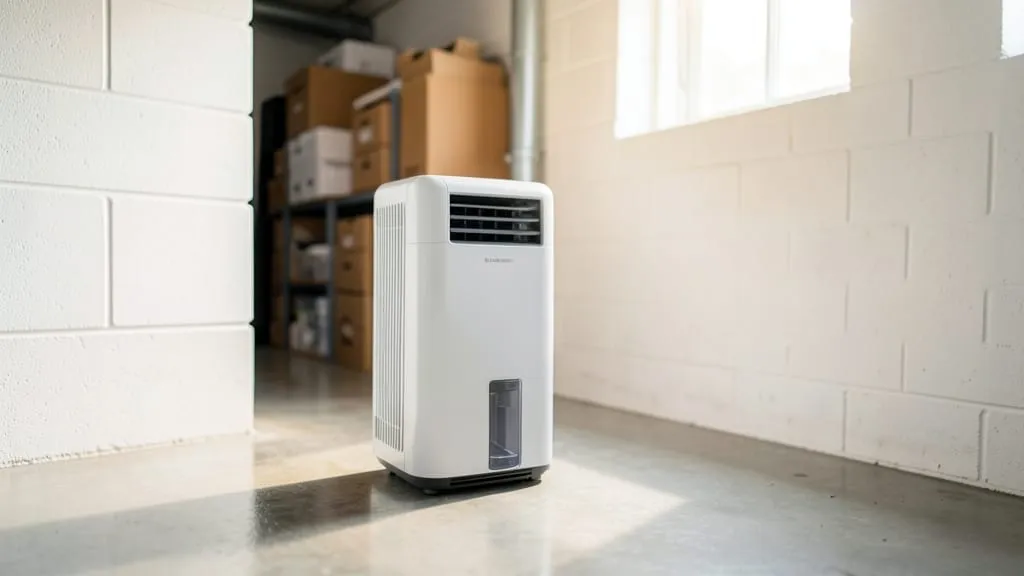
Negative air pressure isn’t just a buzzword—it’s a critical defense in mold remediation. In our high-altitude climate, where basements and crawl spaces trap moisture, this technique ensures spores stay put during removal. We use it daily to protect homes in Manitou Springs and beyond.
Why Containment Matters in Mold Remediation
Mold spores are microscopic and travel easily through air currents. Without proper containment, remediation can inadvertently spread contamination to previously clean areas of a home.
In older homes common around Manitou Springs and Old Colorado City, hidden mold in wall cavities or attics can release spores when disturbed. Containment stops this chain reaction.
How Negative Air Pressure Works
Negative air pressure creates a vacuum-like effect within the containment zone. Air—and the spores it carries—flows *into* the contaminated area, not out.
We achieve this with high-powered HEPA air scrubbers. These machines pull air through filters rated to capture 99.97% of particles as small as 0.3 microns, including mold spores.
True HEPA filters are the only ones capable of trapping mold spores. Cheaper alternatives won’t cut it for professional remediation.
Negative Air Pressure vs. Positive Air Pressure
Positive air pressure pushes clean air *into* a space, which can force contaminants outward. That’s the opposite of what we want during mold removal.
Negative air pressure, on the other hand, ensures that any leaks in containment barriers pull outside air *inward*, keeping spores contained.
| Aspect | Negative Air Pressure | Positive Air Pressure |
|---|---|---|
| Direction of Airflow | Inward (into contaminated zone) | Outward (into clean areas) |
| Spores Risk | Minimized | Increased |
| Primary Use Case | Mold remediation, asbestos abatement | Cleanroom environments, general ventilation |
| Equipment | HEPA air scrubbers, containment barriers | Air purifiers, fans |
Where We Use Negative Air Pressure Locally
Basements in Manitou Springs and Colorado Springs often suffer from poor ventilation and high humidity—perfect conditions for mold. Negative air pressure is essential here to prevent spores from rising to living spaces.
Attics in Woodland Park or Divide can harbor mold due to roof leaks or condensation. Containment with negative pressure keeps spores from drifting into the home’s HVAC system.
Commercial buildings near the Air Force Academy or in Monument may require large-scale containment. Negative air pressure scales effectively for these jobs.
The Role of Containment Barriers
Negative air pressure works hand-in-hand with physical barriers. We use 6-mil polyethylene sheeting to seal off the work area, creating an airtight (or near-airtight) environment.
Barriers are secured with tape and zipper doors for access. Even the smallest gap can compromise containment, so we inspect seals meticulously.
Workers must pass through a decon chamber to remove PPE and tools before exiting containment. This prevents cross-contamination.
Local Challenges: Altitude and Dry Air
Manitou Springs’ elevation means thinner air and lower humidity outdoors—but indoors, moisture still accumulates. Negative air pressure must account for these conditions to maintain effectiveness.
In winter, heating systems dry out air, but hidden moisture in crawl spaces or basements can persist. Our team monitors humidity levels to adjust containment strategies.
When Negative Air Pressure Isn’t Enough
For severe infestations, especially in large or complex structures like those in Black Forest or Palmer Lake, we may combine negative air pressure with additional measures.
These include full-scale decontamination, HVAC system cleaning, or even temporary relocation of occupants during remediation.
Signs You Need Professional Containment
- Mold covers 10+ square feet of surface area
- Contamination is in HVAC ducts or hard-to-reach spaces
- Occupants have health symptoms (e.g., respiratory issues)
- Mold returns after DIY cleaning attempts
Post-Remediation Verification
After remediation, we don’t just pack up and leave. Air quality testing confirms that spore levels are back to normal, both inside and outside the containment zone.
This step is critical in areas like Cascade or Green Mountain Falls, where outdoor spore counts can be high due to natural vegetation.
How to Maintain Negative Air Pressure During Mold Remediation
Proper setup is key to keeping spores contained.
- 1Seal the Work Area
Use 6-mil polyethylene sheeting to create an airtight barrier around the contaminated space. Secure all seams with tape and use zipper doors for entry/exit.
- 2Position the Air Scrubber
Place a HEPA air scrubber inside the containment zone, with the intake facing the contaminated area. Ensure the exhaust vents outside or through a filtered outlet.
- 3Create the Pressure Differential
Turn on the air scrubber to pull air from the surrounding areas into the containment zone. Use a manometer to confirm negative pressure (typically -0.02 to -0.05 inches of water).
- 4Monitor and Adjust
Continuously check the pressure differential and adjust the scrubber’s speed as needed. Replace HEPA filters if airflow drops or pressure weakens.
- 5Maintain the System
Keep the containment barriers intact and the air scrubber running 24/7 until remediation is complete. Any breaches must be repaired immediately.
Frequently Asked Questions
Is negative air pressure necessary for small mold patches in Manitou Springs?
For small, isolated patches (under 10 square feet), containment with negative air pressure may not be required. However, if the mold is in a high-traffic area or near HVAC vents, we still recommend it to prevent spread. Always err on the side of caution.
How long does negative air pressure need to run during remediation?
Negative air pressure must run continuously from the start of remediation until the final clearance testing. This ensures spores don’t escape during the process, which can take anywhere from a few days to over a week depending on the job’s scope.
Can I use a regular air purifier instead of a HEPA air scrubber?
No. Regular air purifiers lack the power and filtration precision needed for mold remediation. HEPA air scrubbers are designed for high-volume airflow and can handle the particle load in a containment zone. They’re non-negotiable for professional jobs.
Does negative air pressure work for asbestos removal too?
Yes, negative air pressure is a standard practice in asbestos abatement, just like in mold remediation. The principle is the same: contain the hazardous particles to prevent them from spreading to clean areas. We use it for both services in areas like Colorado Springs and Woodland Park.
What happens if negative air pressure fails during remediation?
If negative air pressure fails, spores can escape the containment zone, potentially spreading mold to other parts of the home. This is why we use redundant systems, like backup air scrubbers and real-time pressure monitors, to prevent such failures.
Do you use negative air pressure for crawl space mold in Manitou Springs?
Absolutely. Crawl spaces are notorious for mold due to moisture and poor ventilation. Negative air pressure is critical here to prevent spores from rising into the home. We often combine it with encapsulation and dehumidifiers for long-term prevention.